
- Contact Us
- Track Your Order
- Returns
- Size Charts
- FAQs
- Messanger
- Voicemail
- Text Message
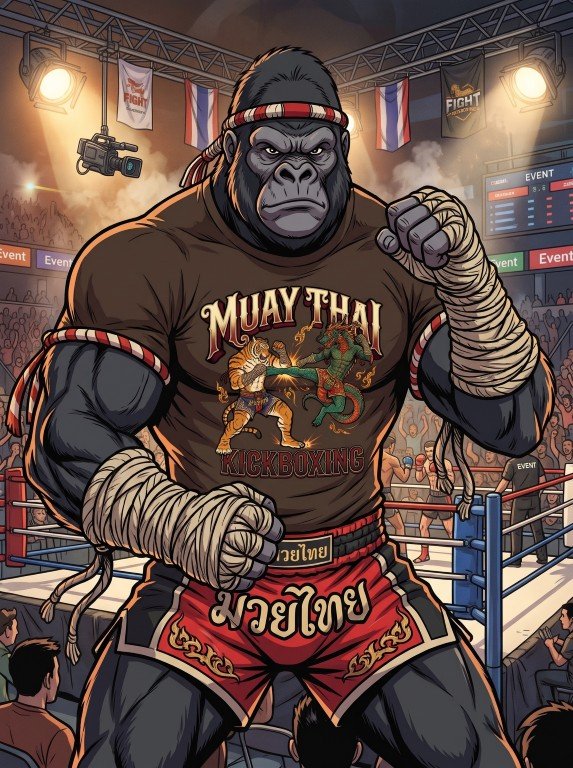



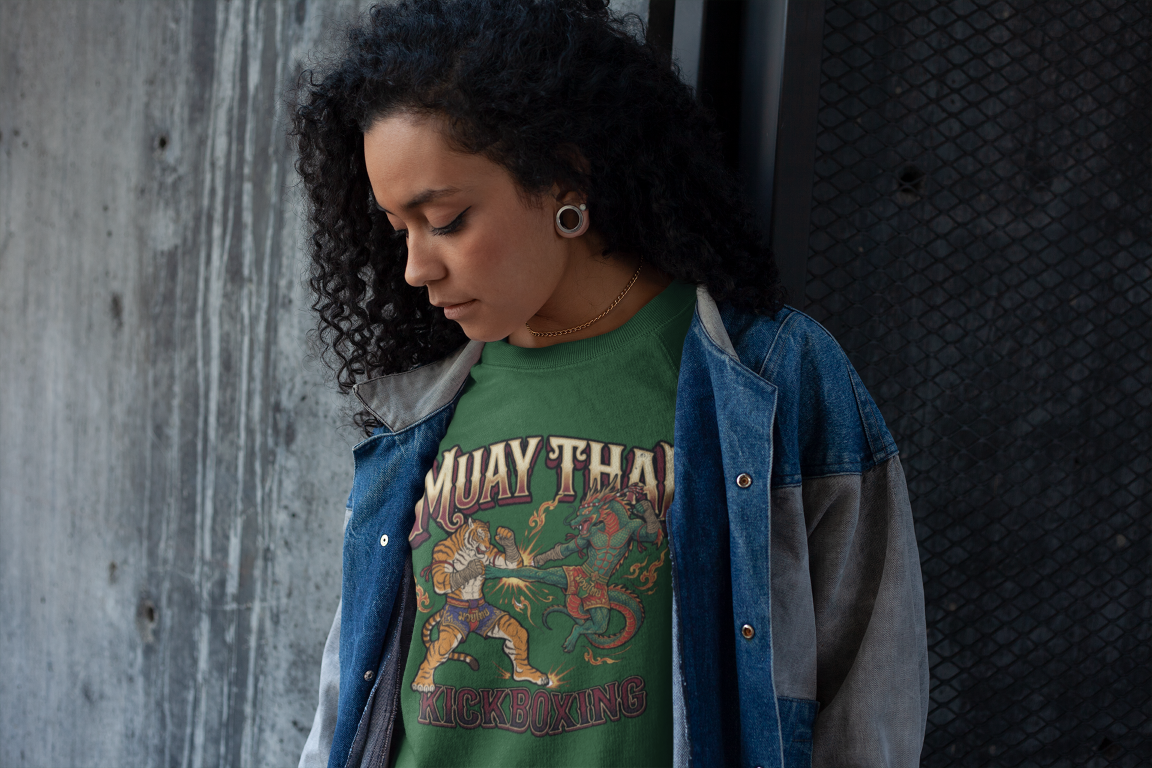


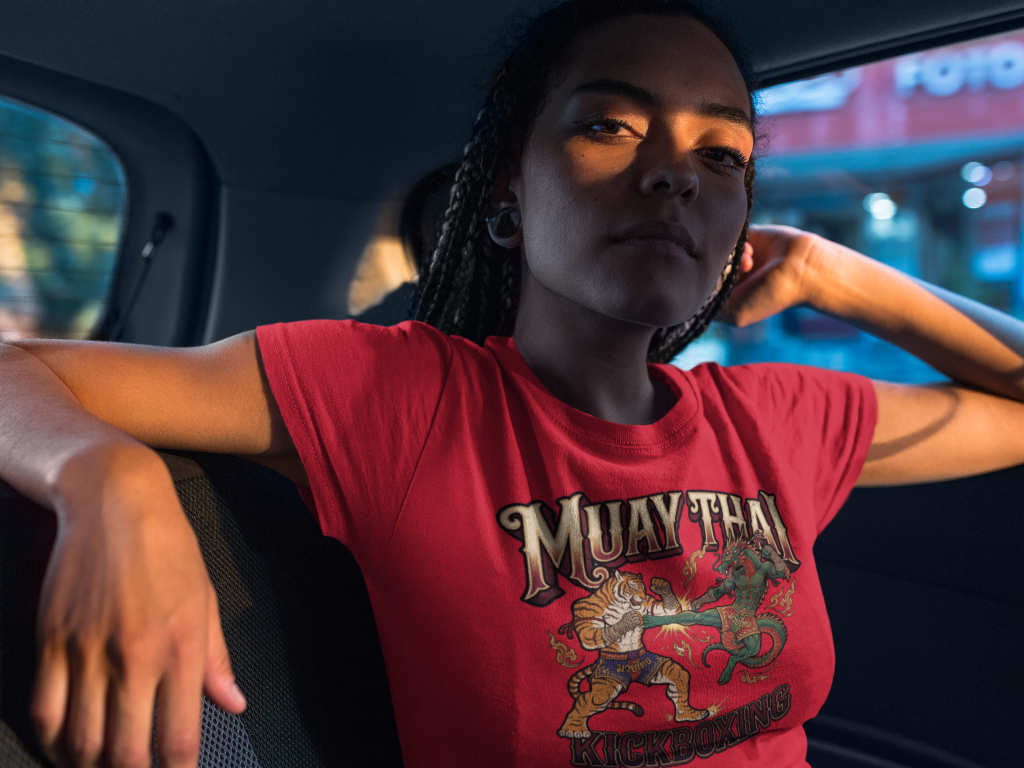











In Thai culture, particularly where native animist and Buddhist traditions blend with centuries of Chinese influence, the imagery of a tiger fighting a dragon is a powerful representation of the balance between opposing but complementary forces—the classic concept of Yin and Yang.
Rather than a battle where one beast must destroy the other, their fight symbolizes an eternal, dynamic struggle to achieve harmony. Here is what each represents in this dynamic:
-
The Tiger (Suea): In Thai culture and the sacred art of Sak Yant (traditional tattoos), the tiger is an immensely popular symbol among Muay Thai fighters. It represents earthly matter, primal instinct, raw physical strength, courage, and fearlessness. The tiger is brash and aggressive, rushing headfirst into challenges with unwavering ferocity.
-
The Dragon (Mangkorn): The dragon represents the heavens, the spirit, and the transformative power of change. In contrast to the tiger’s raw aggression, the dragon symbolizes wisdom, intuition, patience, and spiritual authority. It thinks and observes before it strikes, relying on intellect and composure.
The Symbolism of the Fight
When depicted fighting, the two beasts represent the internal struggle within a martial artist or a person navigating life. It is the clash between one’s animalistic, emotionally driven physical nature (the tiger) and one’s calm, rational, and spiritual mind (the dragon).
To wear or display the tiger and the dragon fighting is to acknowledge that both forces are necessary. A true warrior must strive to embody the fierce courage and strength of the tiger while being guided by the compassionate wisdom and emotional control of the dragon.
| Weight | 0.3 kg |
|---|---|
| Dimensions | 30 × 20 × 5 cm |
Be the first to review “muay thai tiger vs dragon T Shirt”
Related products


MMA T-shirts
$29.00


Brazilian Jiu-Jitsu T-shirts
$29.00


MMA T-shirts
$29.00

Boxing T-shirts
$29.00


MMA T-shirts
$29.00


Muay thai T-shirts
$29.00


Muay thai T-shirts
$29.00


MMA T-shirts
$29.00
Reviews
There are no reviews yet.