
- Contact Us
- Track Your Order
- Returns
- Size Charts
- FAQs
- Messanger
- Voicemail
- Text Message
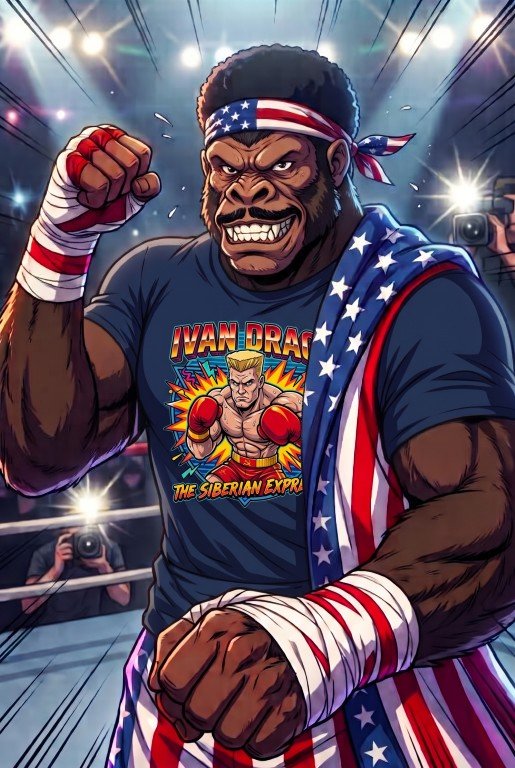

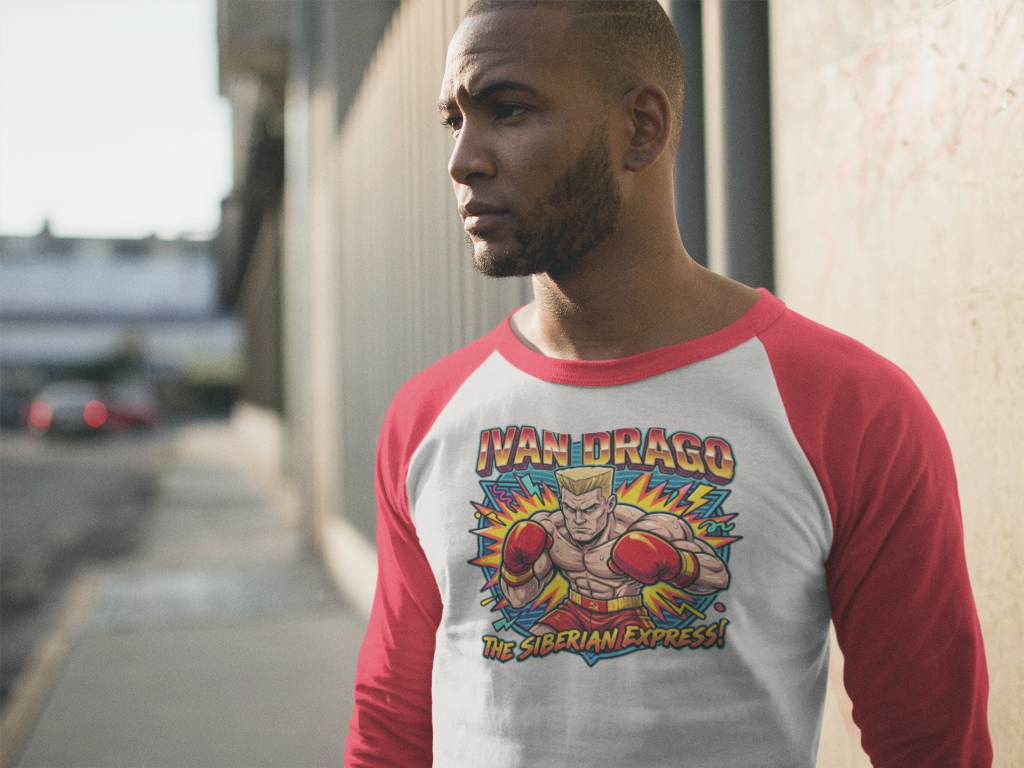
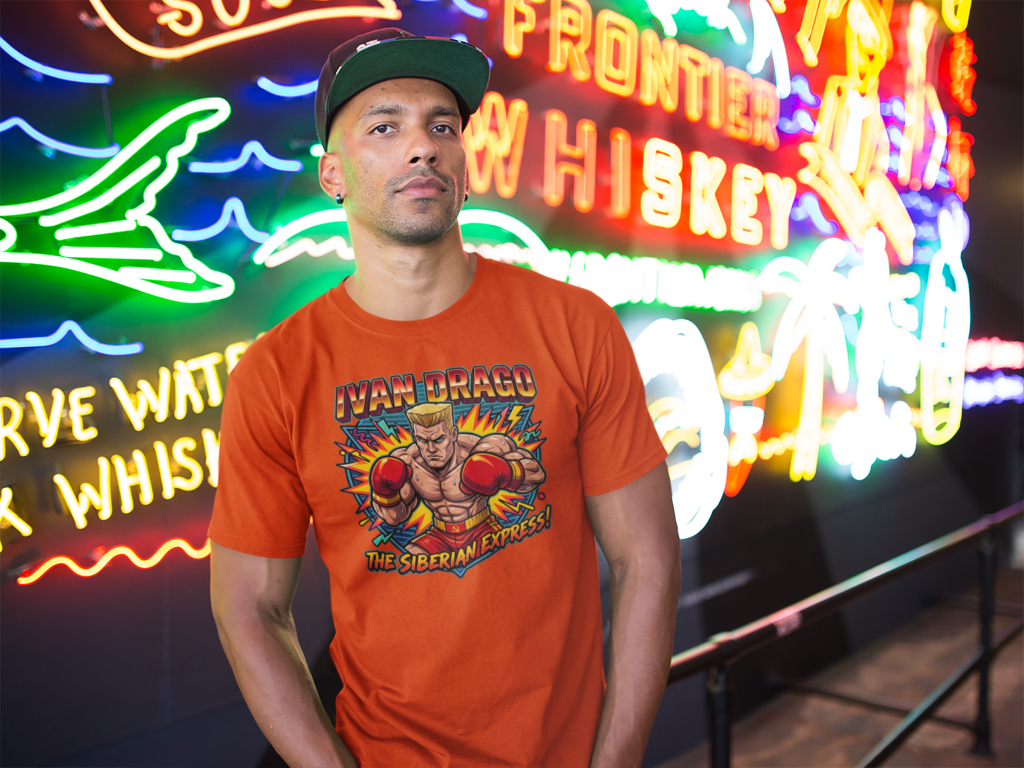

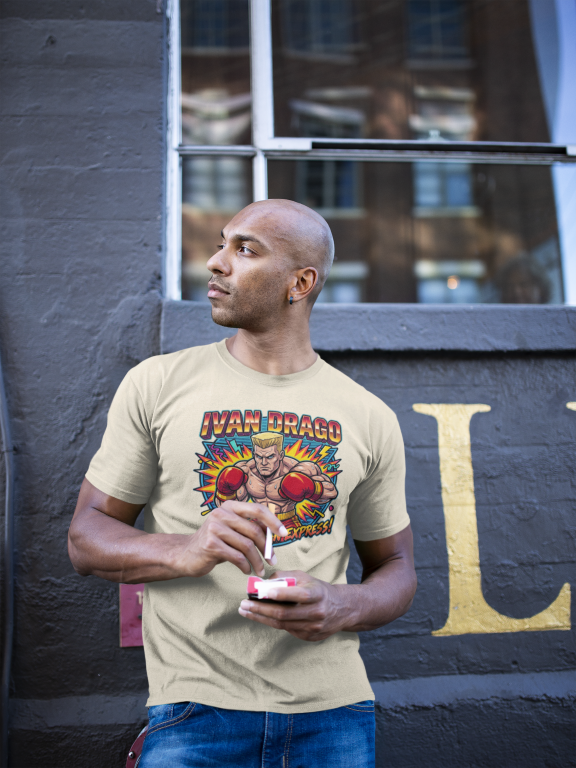
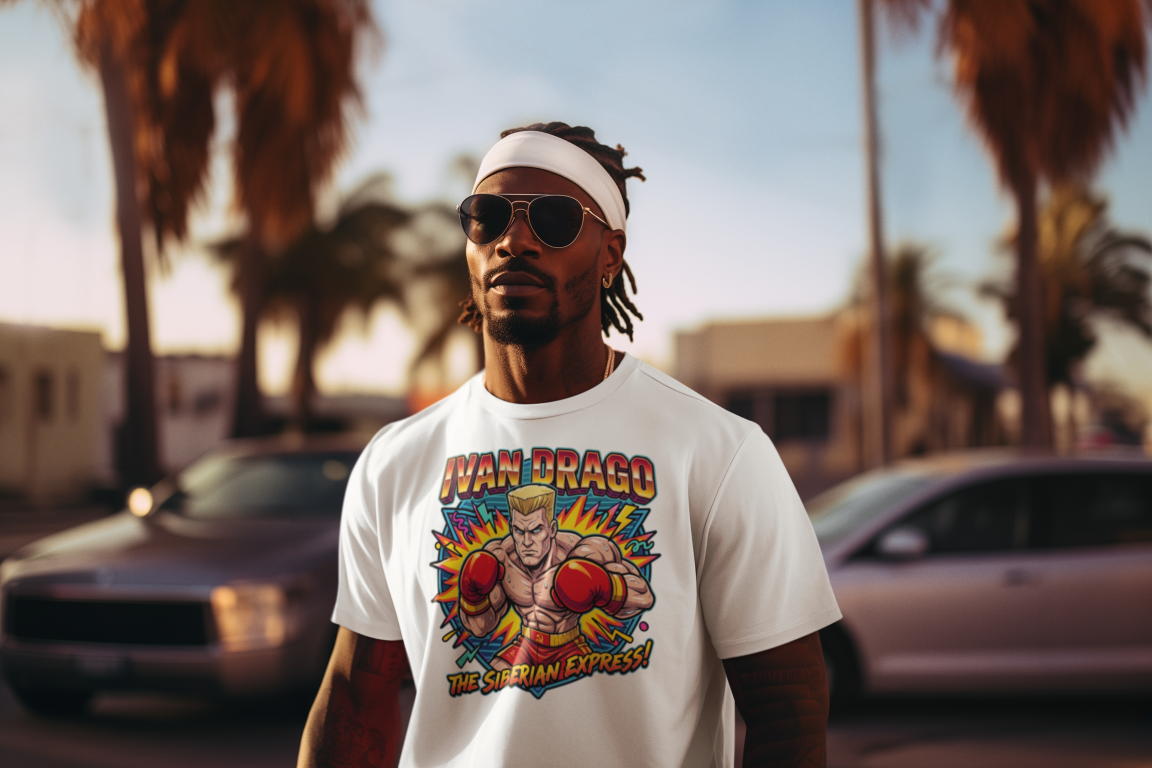

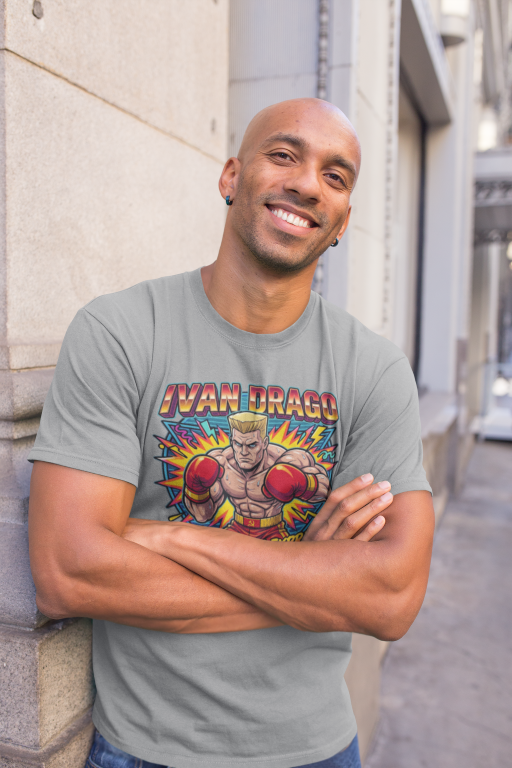
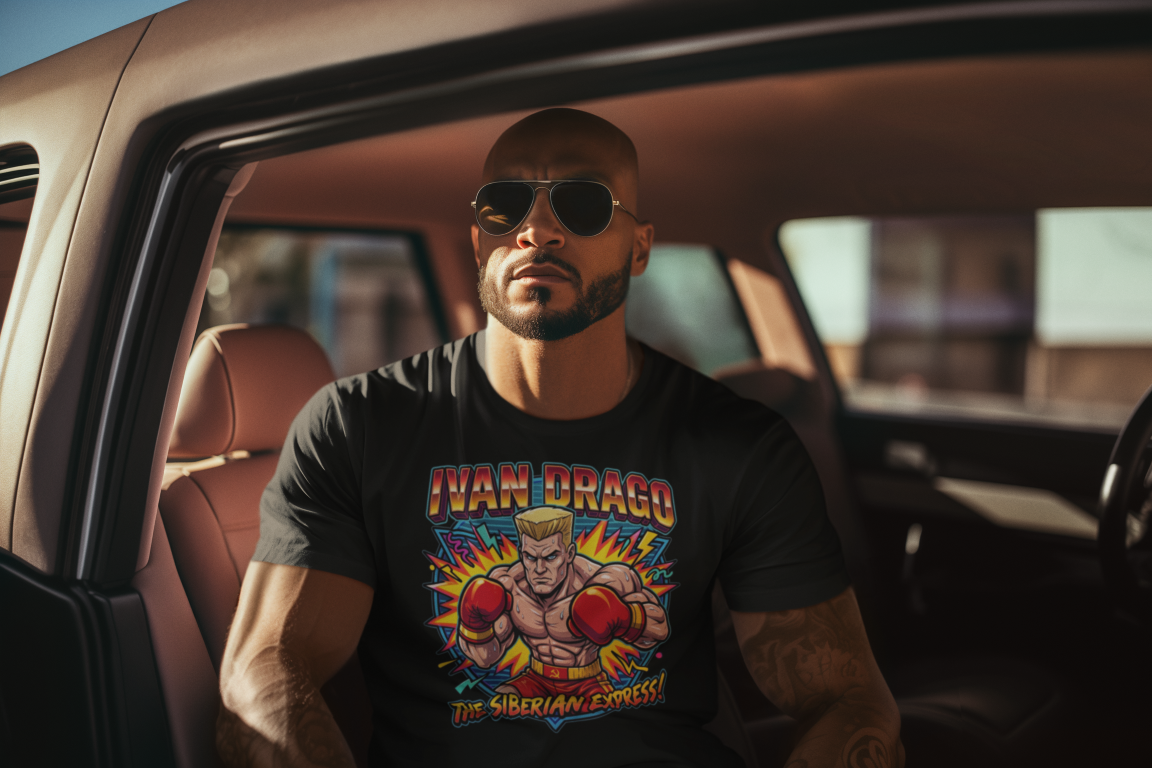

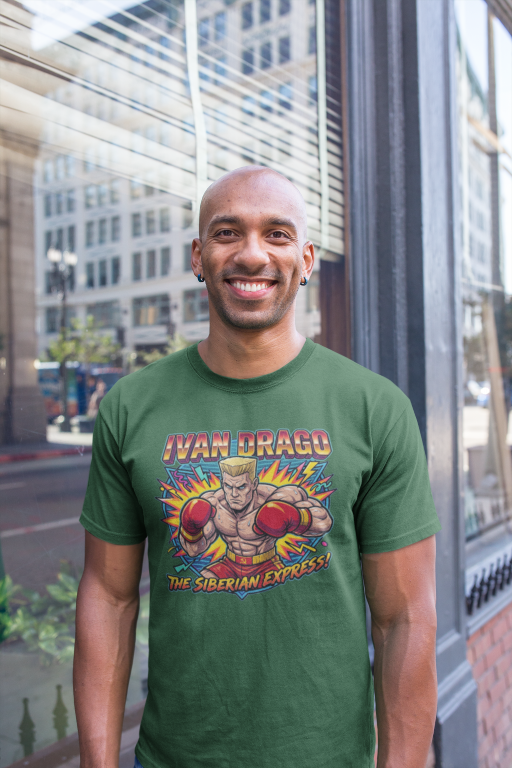


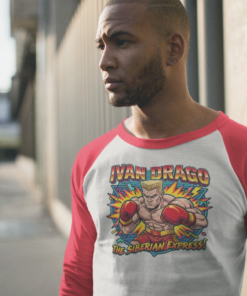
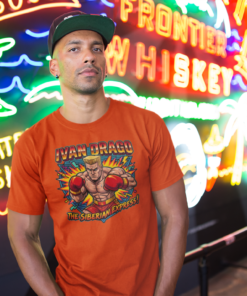

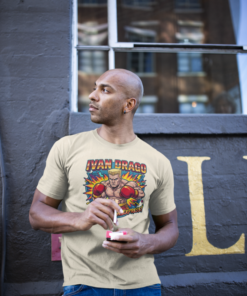


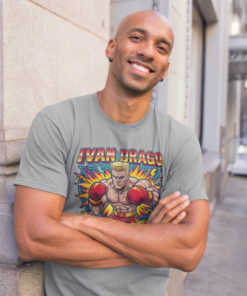


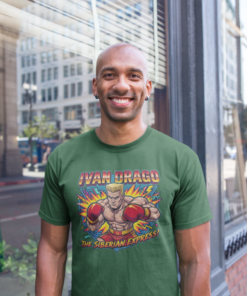


MOSCOW — Inside a restricted, high-tech sports science facility on the outskirts of the Soviet capital, the future of heavyweight boxing is being engineered in near-total silence.
Standing six-foot-five and weighing a sculpted 261 pounds, Captain Ivan Drago of the Soviet Army does not train like a conventional prizefighter. While his upcoming opponent, former two-time world heavyweight champion Rocky Balboa, is reportedly chopping wood and running through waist-deep snow in a remote Siberian cabin, Drago is tethered to biometric sensors, computerized treadmills, and hydraulic resistance machines.
For the Soviet sports ministry, the December 25 bout in Moscow is far more than an unsanctioned exhibition match; it is a showcase of state-sponsored athletic supremacy.
Drago’s sudden rise to international notoriety began in Las Vegas, where an exhibition bout against former heavyweight champion Apollo Creed ended in tragedy. Creed collapsed in the second round and was pronounced dead shortly after, a moment that shocked the boxing world and prompted Drago’s chilling, widely quoted post-fight remark: “If he dies, he dies.”
Since that night in Nevada, access to the 1984 Olympic gold medalist has been tightly controlled by his handlers, led by his wife, Olympic swimmer Ludmilla Vobet Drago, and his trainer, Sergei Rimsky. When foreign reporters are granted brief glimpses into his preparation, the atmosphere resembles a clinical laboratory rather than a traditional boxing gym.
“Ivan is a new kind of athlete,” Ludmilla Drago told international press during a rare briefing in Moscow. “He is the product of the best scientific minds in the Soviet Union. Everything he does is measured, calculated, and perfected.”
Those measurements have become the stuff of boxing folklore. Soviet officials claim Drago’s punch registers upwards of 1,850 pounds per square inch—nearly triple the force of an average heavyweight—with some telemetry readings reportedly peaking over 2,100 PSI. His heart rate, VO2 max, and muscle recovery are continuously monitored by a team of physicians and biomechanists.
Unlike the charismatic, trash-talking champions of the American circuit, Drago remains an enigma. He rarely speaks to the media, offering only stoic, monosyllabic answers delivered in a flat baritone. To Western observers, he appears less like a man and more like a machine built specifically to dismantle the American mythos.
In taking the fight on Christmas Day in front of a partisan Moscow crowd—and without the backing of a world title belt—Rocky Balboa is walking into hostile territory against an undefeated physical anomaly. Whether Balboa’s famed durability and old-school grit can withstand the calculated power of the “Siberian Express” remains the central question hanging over the sport.
As the final days of training wind down, the contrast between the two fighters could not be sharper. One relies on heart, instinct, and the freezing isolation of the Russian wilderness; the other is the undefeated, scientifically calibrated pride of the Soviet state. On December 25, two opposing philosophies of combat will collide in the center of the ring.
| Weight | 0.3 kg |
|---|---|
| Dimensions | 30 × 20 × 5 cm |
Be the first to review “Ivan Drago 80s video game shirt”
Related products


Brazilian Jiu-Jitsu T-shirts
$29.00


Martial Arts T-shirts
$29.00


Boxing T-shirts
$29.00


Boxing T-shirts
$29.00


Muay thai T-shirts
$29.00


Boxing T-shirts
$29.00


Boxing T-shirts
$29.00


Martial Arts T-shirts
$29.00
Reviews
There are no reviews yet.