
- Contact Us
- Track Your Order
- Returns
- Size Charts
- FAQs
- Messanger
- Voicemail
- Text Message
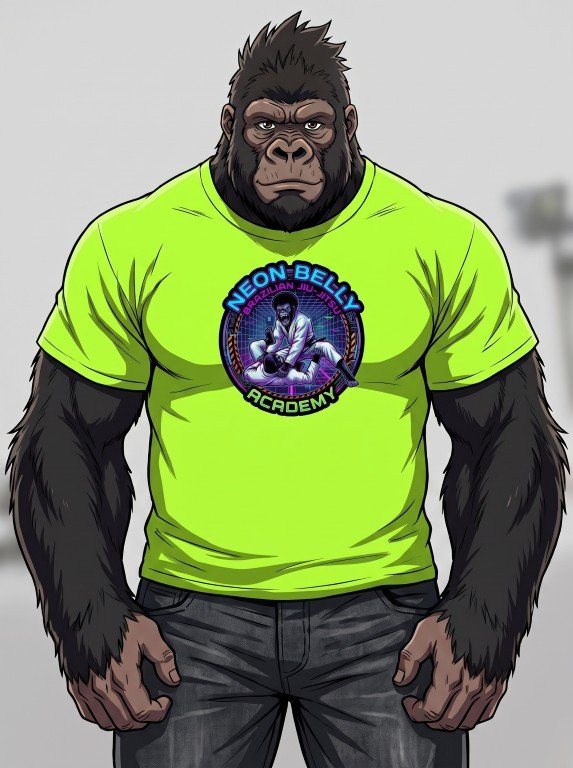
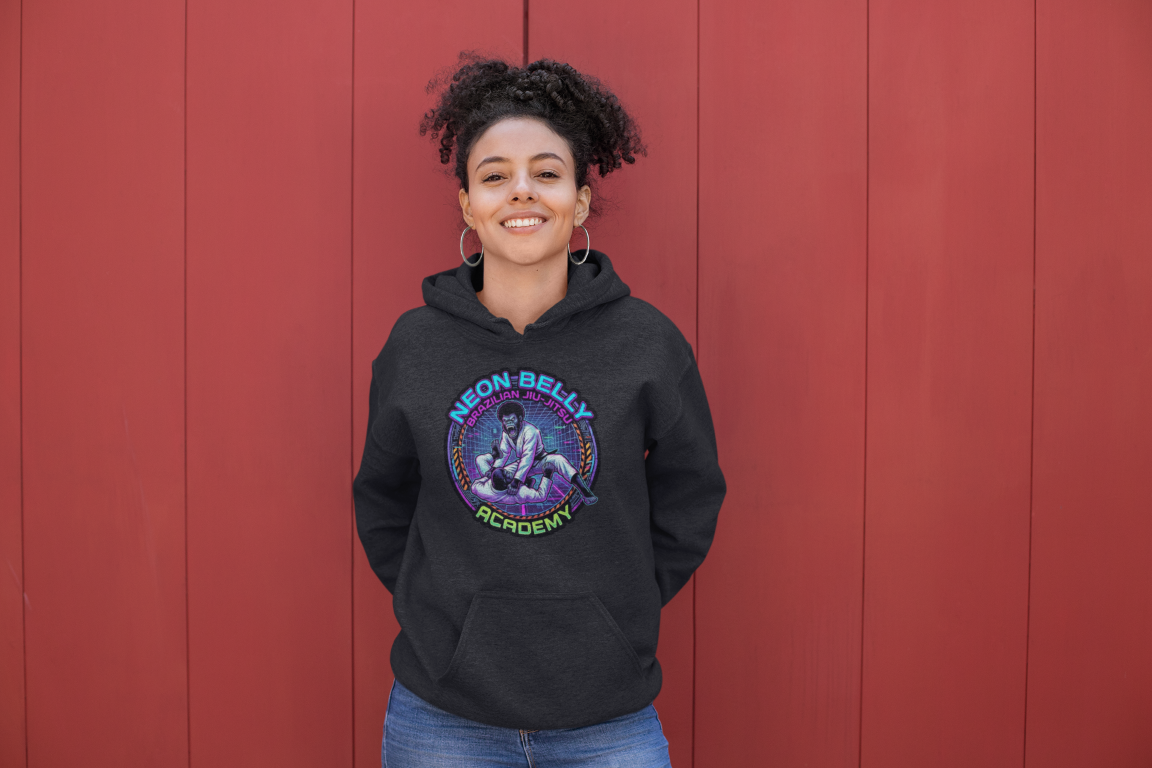

















Neon Belly BJJ Academy


$29.00
Learn how to use knee on belly effectively in Brazilian jiu-jitsu. This guide explains how to maintain balance, apply controlled pressure, respond to an opponent’s movement, and transition smoothly to positions such as mount or side control. Discover why posture, precise positioning, and a stable base matter more than relying on force. The article also covers key defensive principles for the person on the bottom, including protecting the arms, building frames, creating space, and recovering guard at the right moment. Whether you are developing top control or working on safe escapes, these fundamentals can help make knee on belly a more reliable part of your BJJ game. Use the position thoughtfully during training, communicate with your partner, and follow your academy’s safety guidelines as you build confidence and improve your transitions.
Knee on Belly: Balance, Pressure, and Control
Understanding the Position
Knee on belly is a dynamic control position in Brazilian jiu-jitsu. Instead of settling into a heavier side-control hold, the top player places one knee across the opponent’s torso while keeping the other leg posted for balance. The position can feel intense, but effective control comes from posture, precision, and movement—not simply pressing down as hard as possible.
For the person on top, the goal is to stay balanced while responding to the bottom player’s attempts to turn, bridge, or create space. A stable base makes it easier to maintain control and transition to another position. Good practitioners keep their weight centered, avoid leaning too far forward, and adjust their supporting foot as the opponent moves.
Pressure With Purpose
Well-applied pressure can make knee on belly uncomfortable and limit an opponent’s ability to move freely. The knee should be positioned thoughtfully, while the upper body remains upright and ready to react. Small adjustments often matter more than extra force. Training partners should communicate, apply pressure responsibly, and follow their academy’s safety guidelines, especially during drilling.
The bottom player also has important options. Rather than pushing blindly against the knee, they can protect their arms, create frames, and look for a safe angle to turn or recover guard. Timing matters: a controlled escape usually begins with making space and disrupting balance, then moving before the top player settles back into position.
Building Reliable Transitions
Knee on belly is useful not only as a way to hold an opponent, but also as a crossroads between positions. From here, the top player may move to mount, return to side control, or respond to a defensive reaction with a submission opportunity. The best choice depends on the opponent’s posture and the opening available. Forcing a transition without control can give up the advantage.
In practice, focus on entering the position smoothly, maintaining a stable base, and moving with your partner’s reactions. Repeating those fundamentals helps turn a dramatic-looking position into a dependable part of a well-rounded game.
| Weight | 0.3 kg |
|---|---|
| Dimensions | 30 × 20 × 5 cm |
Be the first to review “Neon Belly BJJ Academy”
Related products
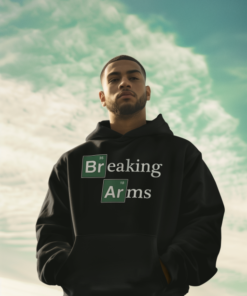
Brazilian Jiu-Jitsu T-shirts
$29.00


Brazilian Jiu-Jitsu T-shirts
$29.00


Brazilian Jiu-Jitsu T-shirts
$29.00


Brazilian Jiu-Jitsu T-shirts
$29.00


Brazilian Jiu-Jitsu T-shirts
$29.00


Brazilian Jiu-Jitsu T-shirts
$29.00

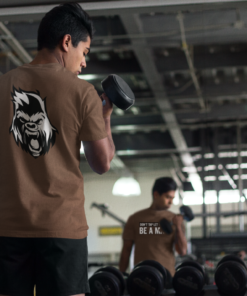
Brazilian Jiu-Jitsu T-shirts
$39.00


Brazilian Jiu-Jitsu T-shirts
$29.00
Reviews
There are no reviews yet.